West Highland Way for Americans: You Have a Legal Right to Camp
If you have only ever backpacked in the United States, Scotland will feel like a legal error. There is no permit to win, no quota, no 7am release, no lottery. Under the Land Reform (Scotland) Act 2003 and the Scottish Outdoor Access Code, you have a statutory right to camp on most unenclosed land — not a tolerance, not a loophole, an actual right.
The West Highland Way runs 96 miles from Milngavie, just north of Glasgow, to Fort William, usually in seven or eight days, and for most of that distance you can simply decide where to sleep. Americans arriving with the reflexes of Yosemite or Olympic — the permit anxiety, the six-months-out booking — spend the first day waiting for the catch.
There are exactly two catches, and neither is a permit system in the sense you are used to. One is a single stretch of the route governed by byelaws. The other is an insect about a millimetre long. Understand both and the rest of this trail is as free as walking gets in Europe.
The right to camp, and the four rules that come with it
The Access Code is short and it is not decorative. Camping responsibly means:
Keep groups small, quiet, and well away from buildings and roads. This is the rule that decides whether a pitch is acceptable, and it is judged by how you would look to whoever lives nearby.
Stay out of enclosed fields with crops or livestock. On the WHW specifically, the field between Gartness Road and the A811 near Drymen is off limits — it holds sheep and cattle, and the farmer has reported human waste, litter, fires and disturbed animals. That closure exists because campers earned it.
Use a camping stove and never light open fires, barbecues or fire bowls in dry periods. Scotland's peat can burn underground. This is the rule with the largest consequences and the lowest visibility.
Take everything away with you, and bury human waste at least 30 metres from water. Leave no trace, in the literal sense: the next walker should not be able to tell you were there.
The right survives exactly as long as people use it this way. It is worth taking personally.
Loch Lomond is the one place you must book
The exception sits early in the route, along the most beautiful and most abused stretch of it.
Within Loch Lomond & The Trossachs National Park, camping management byelaws apply from 1 March to 30 September every year. Inside the Camping Management Zones you need a permit.
The permit costs £4.50 per tent per night and can be booked up to four weeks in advance. It lets you camp anywhere within your chosen permit area, you may arrive from 1pm and must leave by 11am, each tent needs its own permit, and stays are capped at three consecutive nights per area.
Two things follow from this for a WHW walker. First, this is genuinely cheap and genuinely available — four weeks is not a fought-over window and £4.50 is not a barrier. Second, it lands on days two and three of a standard itinerary, which means the one piece of paperwork on the whole trail needs sorting about a month out, at a point when everything else can still be improvised.
North of the zone, the right to camp resumes and the trail's best wild pitches — Rannoch Moor, Glen Coe, the approach to Kinlochleven — are open.
The midges are a scheduling decision, not a gear problem
Nobody who has not met Highland midges takes them seriously, and everybody who has met them plans around them for the rest of their life.
The non-biting males emerge in mid to late May. The biting females arrive in early June, and the season runs through June, July and August to early September. They need humidity between about 60 and 75%, they are worst at sunrise and sunset, and — this is the part people get wrong — they work perfectly well in rain and in darkness. Waiting for dusk does not help. Waiting for a shower does not help.
One thing does: wind. Midges cannot fly in a breeze, and Scotland is the windiest country in Europe, which is the single most useful fact in this article. A pitch on an exposed rise with air moving across it is comfortable. A pitch in a sheltered hollow by still water, which is what every instinct tells you to choose, is not.
The defences that work are physical before they are chemical. Long sleeves, trousers tucked into socks, and a head net — which weighs almost nothing and is the highest-value item in the pack. DEET-based repellent or the Scottish standby Smidge on top of that. And a tent you can get into and close quickly with fine mesh, because the difference between a good evening and a ruined one is whether you have somewhere to retreat to.
If you have any flexibility at all: May and September are the answer. Late May gives long daylight and no biting females yet. September gives cool, stable walking and a collapsing midge season. Both are quieter on the trail than July.
Getting there from the US in 2026
Three practicalities catch American walkers, and all three are cheap to solve in advance and expensive to discover late.
You now need a UK ETA. An Electronic Travel Authorisation is required for visitors who do not need a visa for short stays. It costs £20, is valid for two years of multiple journeys of up to six months each (or until your passport expires), and most applications through the UK ETA app get an automatic decision within minutes. Apply at least three working days before travelling. This did not exist a few years ago and it is easy to miss.
Gas canisters cannot fly. Not checked, not carry-on, not empty. Buy fuel in Glasgow or Milngavie at the start — the outdoor shops there are used to exactly this — and leave the remainder behind rather than trying to carry it home. Trekking poles must go in checked baggage.
The start is easy and the finish is not. Milngavie is a straightforward train ride from Glasgow. Fort William at the other end is a long way from an airport, so build the return journey into the plan rather than assuming it — the Fort William to Glasgow train is one of the best rides in Britain and takes most of a day.
Leave the bear canister at home. There is nothing on this trail that wants your food except midges, and they are not after the food.
What the route actually demands
The WHW is not high — Fort William is at sea level and the highest point is around 550 metres — and Americans used to Sierra or Rockies altitude will find the climbing modest. The difficulty is elsewhere.
Wet ground and rough footing. The stretch along the eastern shore of Loch Lomond north of Rowardennan is famously slow: roots, boulders, and constant small ascents that make a map's mileage a lie. Budget time, not effort.
Exposure on Rannoch Moor. There is no shelter, no resupply and no easy exit across the moor, and the weather can change completely in an hour. This is the day to carry full waterproofs and enough food regardless of the forecast.
The Devil's Staircase, out of Glen Coe, is the biggest single climb and is followed by a long, knee-punishing descent into Kinlochleven.
What all of this asks for is a shelter that copes with wind and sustained rain rather than one optimised for a dry night — worth reading our Tents & Shelter range with pitch stability and fine mesh in mind. It asks for a sleep system that stays warm when the air is damp, because Scottish cold is a wet cold and synthetic insulation forgives what down will not; our Sleep & Comfort range is where to make that call.
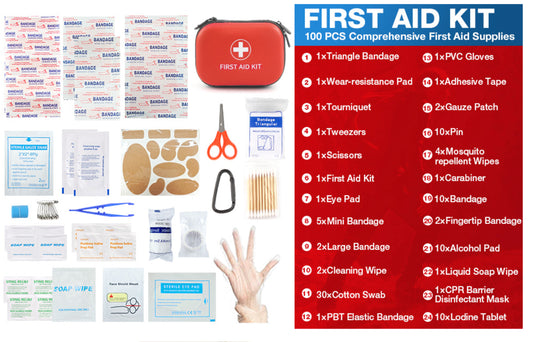
Beyond that: a stove and cookset from our Camp Kitchen range, remembering the fuel gets bought on arrival; a pack you can line and keep genuinely dry from Packs & Bags; a headlamp from Light & Power for the short days at either end of the season; and a head net, blister kit, spare socks and water filter from Camp Essentials.
The short version
You have a legal right to camp on most of this route — use it responsibly and it stays. Book a £4.50 permit for the Loch Lomond zone if you are walking between 1 March and 30 September, up to four weeks ahead. Camp on breezy high ground, never in a still hollow, because wind is the only thing midges respect. Go in May or September if you can. Get a £20 UK ETA before you fly, buy your gas in Glasgow, and leave the bear canister at home. Carry full waterproofs across Rannoch Moor whatever the forecast says. And take the head net — it weighs nothing and it will be the best thing in your pack.
Last updated: July 2026. Byelaw dates, permit prices, UK entry requirements and access guidance change — confirm current details with Loch Lomond & The Trossachs National Park, the West Highland Way management group and GOV.UK before you travel.